
 To news overview
Fasting period and autophagy
Lent has a long cultural tradition and is now being consciously revisited in the context of modern concepts such as intermittent fasting. In addition to personal or religious motivations, science is increasingly interested in understanding what happens in the body during periods of food abstinence.
At the center of this research is the process known as autophagy, a natural mechanism in cellular metabolism. During this process, cells break down their own components that are no longer needed or that have been damaged, and recycle them back into the metabolic system. This “recycling program” is part of normal cellular function and was recognized with the Nobel Prize in Physiology or Medicine in 2016 after the fundamental mechanisms of autophagy were decoded. Research is also examining how this process changes over the course of life and how cells respond to different metabolic states, such as those that occur during periods of fasting.
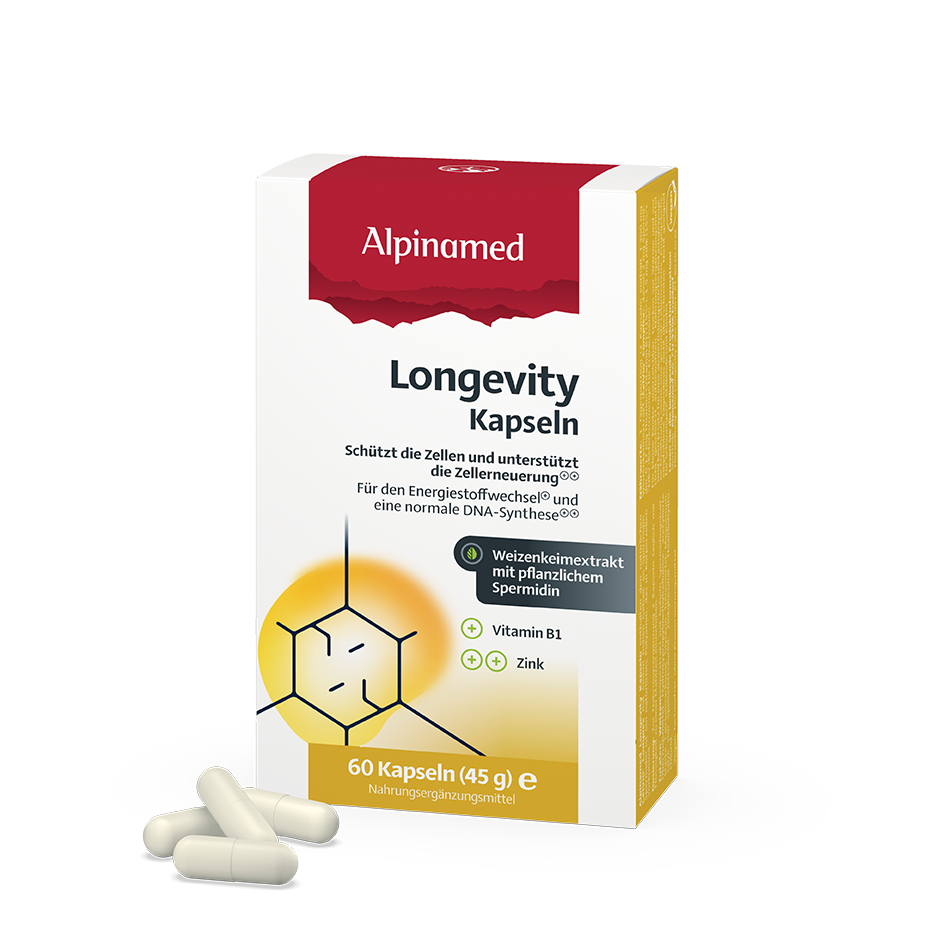
Spermidine is also being studied in this context. This naturally occurring substance is a component of human cells and is also found in certain foods. Studies are investigating the role of spermidine in relation to autophagy-related processes, placing it within the broader field of research on fasting, cellular metabolism, and longevity.
Further information about spermidine can be found here.